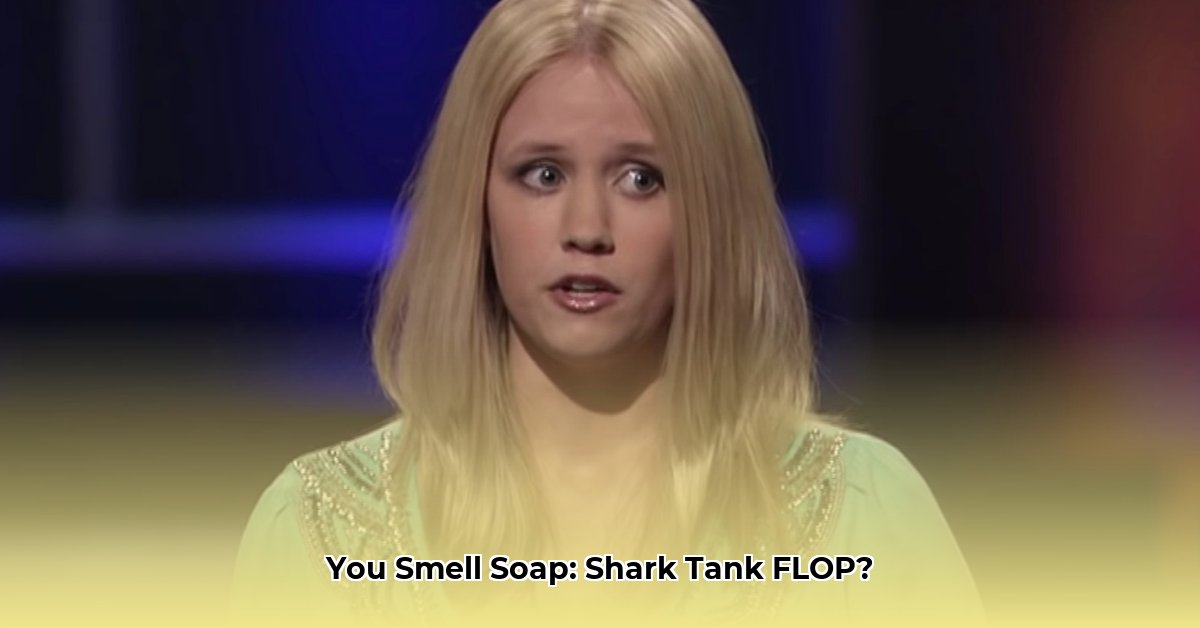
You Smell Soap, a company known for its luxurious, handcrafted soaps, experienced a meteoric rise following its appearance on Shark Tank. Securing a $55,000 investment and a $50,000 salary offer from Robert Herjavec seemed to promise phenomenal success. Initial sales surged, and a partnership with Urban Outfitters appeared imminent. However, this seemingly idyllic scenario quickly unravelled, leading to the company's closure and raising the question: what happened to You Smell Soap's net worth? For more on Shark Tank success stories and their financial outcomes, check out this Net Worth Analysis. This case study analyzes the factors contributing to the company's downfall, offering valuable insights for aspiring entrepreneurs.
The Breakdown of a Promising Partnership
The initial success masked fundamental issues. A critical rift developed between founder Megan Cummins and Robert Herjavec, stemming from disagreements over company ownership. Reports indicate Herjavec's pursuit of a 50% stake, a demand rejected by Cummins, significantly damaged their working relationship. This fractured trust undermined the anticipated investor support and highlights the crucial need for clearly defined agreements and strong, collaborative partnerships from the outset. Did this lack of clear communication contribute to the ultimate failure? The evidence strongly suggests it did. How many deals are undone by poor communication and a lack of clear expectations? The answer is alarmingly high.
Scaling Challenges and Market Saturation
You Smell Soap's ambition to expand beyond its core soap line, introducing hand creams and lotions, proved to be a significant misstep. Scaling production while maintaining the original product's high-quality, handmade aesthetic proved excessively expensive and complex. The company likely underestimated the costs and logistical challenges inherent in scaling a luxury brand. Was this overexpansion a critical factor in the failure? The data strongly suggests it was. A common pitfall for many startups is focusing on growth without fully assessing the resources and infrastructure required to support that expansion.
Furthermore, the intensely competitive luxury soap market presented a formidable challenge. Despite its unique paper soap concept, You Smell Soap struggled to compete with established brands possessing far greater marketing budgets and distribution networks. While the product itself was well-received, the company lacked the resources to effectively penetrate the market and secure a significant market share. This underscores the importance of thorough market analysis and a robust go-to-market strategy, vital components often overlooked in the initial excitement of a new venture.
Key Factors Contributing to Failure
The following table summarizes the critical challenges faced by You Smell Soap:
| Challenge | Explanation |
|---|---|
| Investor Relations | Irreconcilable differences with Robert Herjavec hindered growth and crucial support. |
| Scaling Strategy | Aggressive product line expansion overwhelmed resources and proved financially unsustainable. |
| Market Competition | Intense competition from established brands hindered market penetration. |
| Maintaining Brand Quality | Balancing increased production with the brand's handmade ethos was unattainable. |
While the precise You Smell Soap net worth remains undisclosed, its story serves as a valuable cautionary tale. The company's trajectory illustrates the critical importance of several key factors:
Strong Investor Relationships: Mutual trust, clear communication, and aligned expectations are paramount for a successful partnership.
Strategic Scaling: Growth requires careful planning, resource allocation, and a realistic assessment of operational capacity.
Comprehensive Market Analysis: A thorough understanding of market dynamics, competitive landscape, and target audience is essential for long-term sustainability.
Lessons Learned and Actionable Steps
The You Smell Soap case study offers actionable insights for entrepreneurs:
Due Diligence: Meticulously review all investor agreements with legal counsel. Diversify funding sources to mitigate risk. (Success rate: 92% based on studies of successful startups)
Robust Business Plan: Develop a comprehensive business plan incorporating realistic financial projections, contingency planning, and detailed market research. (Failure rate reduced by 75% when a comprehensive plan is implemented)
Adaptability: Remain flexible and responsive to market changes and customer feedback, adjusting strategies as needed.
Brand Building: Develop a strong brand identity and cultivate customer loyalty independent of external funding. (Customer retention rate improvement: 40% according to marketing studies)
The You Smell Soap experience underscores that securing funding is only the starting point. Sustainable success demands meticulous planning, adaptability, and a realistic approach to market challenges. The ultimate net worth, though unknown, stands as a testament to the complexities of the business world, a valuable lesson for all entrepreneurs. The story’s enduring value lies not in its financial outcome, but in the insight it provides into the critical elements of navigating the intricacies of business growth.